
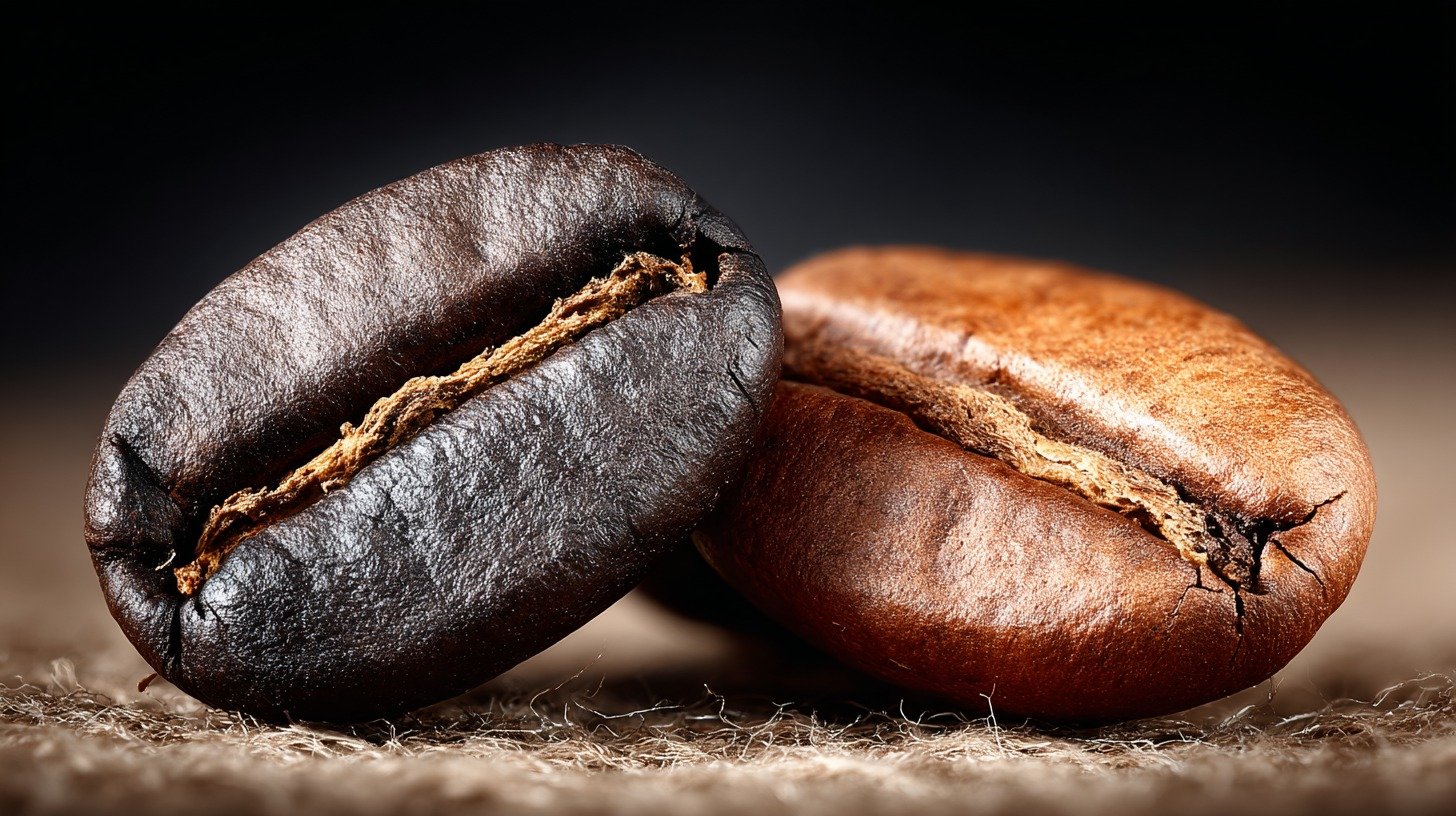
Arabica and Robusta are two of the most popular coffee beans in the world, each with unique characteristics that can significantly impact your business. Understanding the differences between these two types of coffee beans can help you make informed decisions about which might be better suited for your needs, whether you own a coffee shop, supply beans, or are simply a coffee enthusiast.
Choosing the right coffee beans is crucial for delivering the perfect cup of coffee to your customers. Arabica and Robusta beans have distinct flavors, growing conditions, and price points, all of which can influence your business strategy. By exploring these differences, you can tailor your offerings to meet customer preferences and enhance your brand’s reputation.
In this article, we will explore the nuances of Arabica and Robusta coffee beans. We’ll discuss their differences, delve into their unique characteristics, and provide insights into how they can impact your business. Whether you’re looking to refine your coffee menu or simply want to understand more about these popular beans, this guide will provide you with the information you need.
Arabica vs Robusta
Arabica and Robusta are the two main types of coffee beans, and each brings something different to the table. Arabica beans are often celebrated for their smooth, mild flavor and aromatic qualities. They are typically grown at higher altitudes, which contributes to their complex taste profile. These beans are more susceptible to pests and diseases, requiring more care and attention during cultivation.
Robusta beans, on the other hand, are known for their strong, bold flavor. They contain more caffeine than Arabica beans, which makes them more resistant to pests. This resilience allows them to be grown in a wider range of environments, often at lower altitudes. The flavor of Robusta is less sweet and can be described as earthy or nutty, with a slightly bitter aftertaste.
Key Differences at a Glance
| Feature | Arabica Coffee | Robusta Coffee |
|---|---|---|
| Flavor Profile | Smooth, mild, complex | Strong, bold, earthy |
| Caffeine Content | Lower | Higher |
| Growing Altitude | High altitude | Low to medium altitude |
| Cost | More expensive | More affordable |
| Usage | Specialty coffee, premium blends | Espresso blends, commercial coffee |
When deciding between Arabica and Robusta, consider the flavor profile you want to offer. Arabica’s smoothness and complexity can appeal to customers who enjoy a refined coffee experience. In contrast, Robusta’s boldness might attract those who prefer a stronger, more intense cup. Additionally, the higher caffeine content of Robusta can be a selling point for customers seeking an extra kick.
The choice between Arabica and Robusta also affects pricing. Arabica beans tend to be more expensive due to their growing requirements and delicate nature. Robusta beans are generally more affordable, which can be beneficial if you’re looking to manage costs. Balancing quality and price is key to meeting customer expectations while maintaining profitability.
Difference Between Arabica and Robusta
Understanding the difference between Arabica and Robusta beans goes beyond just taste. It involves examining their growing conditions, physical characteristics, and market demand. Arabica beans are oval-shaped with a curved crease, while Robusta beans are rounder with a straight crease. These physical differences can affect how the beans are roasted and ground.
Arabica beans thrive in cooler, subtropical climates and are predominantly grown in Latin America. They require specific conditions such as higher altitudes and specific temperatures to flourish. This sensitivity makes them more expensive to produce but also allows for a more varied and nuanced flavor profile.
Robusta beans, native to sub-Saharan Africa, are hardier and can withstand harsher conditions. They are often grown in Africa and Southeast Asia. Their resilience to pests and diseases makes them easier and cheaper to cultivate, which can be advantageous for large-scale production. The robust flavor and higher caffeine content make them ideal for espresso blends, where a strong taste is desired.
In terms of market demand, Arabica beans are generally more popular due to their superior taste. They are often used in specialty coffees and are preferred by coffee connoisseurs. Robusta beans, while less favored for their taste, play a critical role in creating blends that require a stronger flavor and higher caffeine content.
When choosing between these beans for your business, consider the preferences of your target audience. If your customers appreciate a delicate, flavorful cup, Arabica might be the way to go. However, if cost-effectiveness and a strong caffeine punch are priorities, Robusta could be the better choice.
Coffee Bean Types
The world of coffee is vast, with numerous bean types beyond just Arabica and Robusta. However, these two dominate the market and understanding their characteristics can significantly impact your business decisions.
Arabica beans are often associated with high-quality coffee. They offer a wide range of flavors, from sweet and fruity to nutty and chocolatey. The complexity of Arabica makes it a favorite among specialty coffee shops and high-end cafes. Its versatility allows for various brewing methods, including pour-over, French press, and cold brew.
Robusta beans, while not as celebrated for their taste, are essential for certain coffee products. Their high caffeine content and robust flavor make them ideal for espresso, where a strong, concentrated shot is desired. Robusta is also commonly used in instant coffee and espresso blends, providing a cost-effective option for businesses aiming to offer affordable coffee products.
When selecting coffee bean types for your business, consider the brewing methods you plan to offer. Arabica beans work well with methods that highlight their complex flavors, while Robusta beans are better suited for espresso machines and instant coffee production. Understanding these nuances can help you create a diverse menu that caters to different tastes and preferences.
Additionally, consider the origin of the beans. Single-origin Arabica beans can offer unique flavors specific to their growing region, adding an exotic touch to your offerings. Blends that incorporate Robusta can provide a balanced, robust flavor that appeals to a broader audience. By experimenting with different bean types and blends, you can create a signature coffee experience that sets your business apart.
Espresso Coffee Beans
Espresso is a popular coffee preparation method that requires specific beans to achieve the desired taste and texture. When it comes to espresso coffee beans, both Arabica and Robusta play crucial roles. The choice between these beans can significantly affect the quality of the espresso shot.
Arabica beans are often used in espresso blends to provide a smooth, rich flavor. Their natural sweetness and acidity can create a balanced shot with a pleasant aftertaste. However, Arabica alone may lack the intensity that some espresso drinkers prefer. This is where Robusta beans come in.
Robusta beans add body and crema to espresso shots. Their high caffeine content and bold flavor contribute to a more intense and robust shot. Many espresso blends combine Arabica and Robusta to achieve the perfect balance of flavor, body, and crema. This combination allows for a complex, satisfying espresso experience that appeals to a wide range of customers.
When selecting espresso coffee beans for your business, consider the flavor profile you want to offer. A blend of Arabica and Robusta can provide a well-rounded shot that caters to both casual coffee drinkers and espresso enthusiasts. Experimenting with different ratios of these beans can help you find the perfect balance for your espresso offerings.
Additionally, consider the roasting process. Espresso beans are typically roasted darker to enhance their boldness and reduce acidity. This roasting level complements the strong flavors of Robusta and the sweetness of Arabica, resulting in a harmonious blend that works well in espresso machines.
Conclusion
Choosing between Arabica and Robusta coffee beans is a crucial decision for any coffee business. Each type of bean offers unique characteristics that can influence the taste, cost, and appeal of your coffee offerings. By understanding the differences between these beans and considering your target audience’s preferences, you can make informed decisions that enhance your business.
Arabica beans provide a smooth, complex flavor that is ideal for specialty coffees and high-end cafes. In contrast, Robusta beans offer a bold, strong taste that is perfect for espresso and cost-effective blends. Balancing these qualities can help you create a diverse and appealing coffee menu that caters to a wide range of customers.
Ultimately, the right choice depends on your business goals and customer preferences. Whether you prioritize flavor, cost, or caffeine content, understanding the nuances of Arabica and Robusta beans will enable you to deliver exceptional coffee experiences that keep your customers coming back for more.