
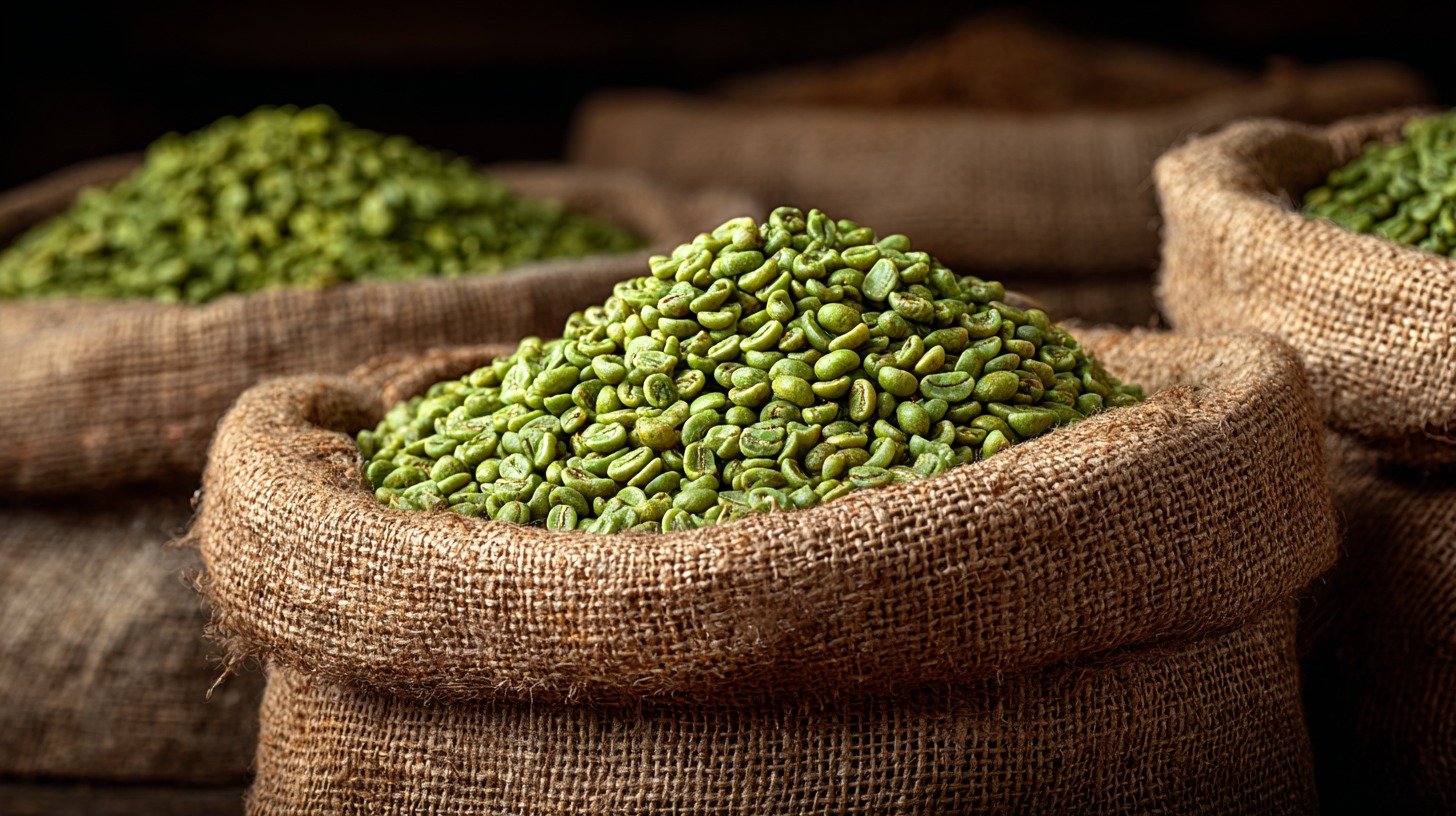
Green coffee might sound like a trendy buzzword, but it’s actually a fascinating and essential part of the coffee world. If you’re a coffee enthusiast or a buyer looking to understand more about this unique product, you’ve come to the right place. Green coffee refers to coffee beans in their raw, unroasted state, and it holds a special place in the journey from farm to cup. Understanding green coffee can enhance your appreciation of the drink you love and improve your buying choices.
When you think of coffee, you probably imagine the rich, aromatic brew that starts your day. However, before it becomes that steaming cup, coffee goes through numerous stages, beginning as green coffee beans. These unroasted beans are the seeds of the coffee cherry, and they play a crucial role in determining the flavor profile of the coffee you eventually enjoy. Learning about green coffee opens the door to understanding how different factors influence the taste, quality, and sustainability of the coffee you drink.
For buyers, whether you’re sourcing for a café or just stocking up your kitchen, knowing about green coffee is invaluable. It allows you to make informed decisions, ensuring that you choose beans that align with your taste preferences and ethical considerations. In this guide, we’ll explore various aspects of green coffee, from what it is to how it’s sourced, and provide you with a comprehensive understanding to enhance your coffee-buying experience.
What Is Green Coffee
Green coffee refers to coffee beans that have not yet been roasted. These beans are harvested from the coffee plant, processed, and dried, but they remain in their natural, unroasted state. The term “green” simply describes their color, which is a pale, greenish hue. This stage of the coffee bean is crucial because it preserves the inherent flavors and characteristics that will be developed during roasting.
Understanding what green coffee is involves recognizing its role in the coffee production chain. Green coffee is essentially the raw material for all coffee products. It’s during the roasting process that the beans undergo chemical changes, releasing oils and developing the flavors that are familiar to coffee drinkers. However, the quality and potential flavor of the coffee are largely determined by the green beans themselves.
Green coffee is not just about the beans but also about the conditions in which they are grown. Factors like soil quality, altitude, and climate all contribute to the characteristics of the green coffee. For instance, beans grown at higher altitudes typically have a denser structure, which can lead to more complex flavors when roasted. This is why regions like Ethiopia and Colombia, known for their high-altitude farms, are celebrated for their distinctive coffee profiles.
Moreover, green coffee is important for its nutritional content. Unlike roasted coffee, green coffee retains higher levels of certain compounds like chlorogenic acids, which are believed to have health benefits. This has led to green coffee being popular in health circles, often marketed as a weight-loss supplement. However, it’s important to approach such claims with caution and focus on green coffee for its primary role in the coffee-making process.
Green Coffee Beans
Green coffee beans are the foundation of every cup of coffee you drink. These beans are the seeds of the Coffea plant and are extracted from the coffee cherries. After harvesting, the cherries are processed to remove the outer fruit, leaving behind the seeds, which are the green coffee beans. These beans are then dried and prepared for export or roasting.
The quality of green coffee beans is paramount because it directly affects the final product. Buyers and roasters pay close attention to the size, shape, and color of the beans, as these factors can indicate the quality and potential flavor profile. High-quality green coffee beans are uniform in size and have a consistent color, which suggests they have been processed and dried properly.
One of the key aspects of green coffee beans is their origin. Different regions produce beans with unique flavor profiles due to variations in climate, soil, and farming practices. For example, Ethiopian green coffee beans are known for their fruity and floral notes, while Brazilian beans often have a nutty and chocolatey profile. Understanding these regional differences can help buyers select beans that match their desired flavor profiles.
Another important consideration is the processing method used after the beans are harvested. There are several methods, including washed, natural, and honey processing, each affecting the flavor of the beans. Washed processing involves removing the fruit before drying, resulting in a cleaner taste. Natural processing dries the entire cherry, imparting fruity flavors to the beans. Honey processing is a middle ground, leaving some of the fruit on the beans during drying, which can add sweetness.
Raw Coffee Beans
Raw coffee beans, another term for green coffee beans, are the unroasted seeds of the coffee plant. These beans are crucial in determining the taste and quality of the coffee. Raw coffee beans are packed with potential, as they contain all the elements needed to create a diverse range of flavors once roasted.
The journey of raw coffee beans from farm to cup involves several stages, each impacting the final product. After harvesting, the beans undergo processing to remove the outer layers of the coffee cherry. This is followed by drying, which is essential for preserving the beans and preparing them for storage and transport. Proper drying is critical, as moisture content affects the beans’ longevity and quality.
Raw coffee beans are often stored in jute or burlap sacks to allow them to breathe. This is important because improper storage can lead to mold or spoilage. Temperature and humidity control are also crucial during storage to maintain the beans’ quality until they are roasted.
For buyers, understanding raw coffee beans means recognizing the importance of freshness. Freshly harvested and properly stored beans are more likely to produce a superior cup of coffee. When purchasing raw coffee beans, it’s essential to consider the harvest date and the conditions in which the beans were stored. This information can often be found on the packaging or provided by the supplier.
Coffee Sourcing
Coffee sourcing is a critical aspect of the coffee industry, involving the selection and procurement of green coffee beans from various regions around the world. For buyers, sourcing is not just about finding beans that meet flavor preferences but also ensuring that ethical and sustainable practices are followed.
Sourcing coffee responsibly involves understanding the supply chain and the impact of purchasing decisions on coffee-growing communities. Many buyers prioritize fair trade and direct trade practices, which aim to provide fair compensation and support to farmers. This not only benefits the farmers but also often results in higher-quality beans, as farmers are incentivized to produce the best possible product.
When sourcing coffee, buyers must also consider the traceability of the beans. Traceability refers to the ability to track the beans from the farm to the cup. This transparency is crucial for verifying the quality and authenticity of the beans, as well as ensuring that ethical practices are followed throughout the supply chain.
Additionally, coffee sourcing involves evaluating the environmental impact of coffee production. Sustainable farming practices, such as shade-grown coffee and organic farming, are increasingly important to buyers who are conscious of their environmental footprint. These practices help preserve biodiversity, reduce chemical use, and promote soil health.
Green Coffee Guide
A green coffee guide is an invaluable resource for anyone interested in understanding and purchasing green coffee beans. Such a guide provides comprehensive information on the various aspects of green coffee, from selecting the right beans to understanding processing methods and evaluating quality.
When using a green coffee guide, one of the first things to consider is the origin of the beans. Different regions produce beans with distinct flavor profiles, so understanding these regional differences is crucial. A guide can help buyers identify which origins align with their taste preferences and how these flavors are influenced by factors like altitude and climate.
Another important aspect covered in a green coffee guide is the processing method. Whether it’s washed, natural, or honey processed, each method imparts different flavors to the beans. A guide can help buyers understand these differences and choose beans that match their desired taste profile.
A comprehensive guide also offers insights into evaluating the quality of green coffee beans. This includes understanding the importance of bean size, color, and uniformity, as well as recognizing potential defects that could affect the flavor. Buyers can learn how to assess these factors to ensure they are purchasing high-quality beans.
Finally, a green coffee guide provides practical advice on storage and roasting. Proper storage is essential to maintain the freshness and quality of the beans, while roasting is where the magic happens, transforming green beans into the aromatic coffee we love. A guide can offer tips on how to roast beans to achieve the desired flavor profile, whether you prefer a light, medium, or dark roast.
Conclusion
Understanding green coffee is a rewarding endeavor for anyone passionate about coffee. From the unroasted beans to the nuances of sourcing and processing, every aspect plays a role in the final cup. By exploring green coffee, buyers can make informed decisions that enhance their appreciation and enjoyment of coffee.
Whether you’re a seasoned coffee buyer or just starting to explore the world of green coffee, this guide provides a comprehensive foundation. By focusing on quality, ethical sourcing, and understanding the unique characteristics of green coffee, you can elevate your coffee experience and make choices that align with your values and taste preferences.