
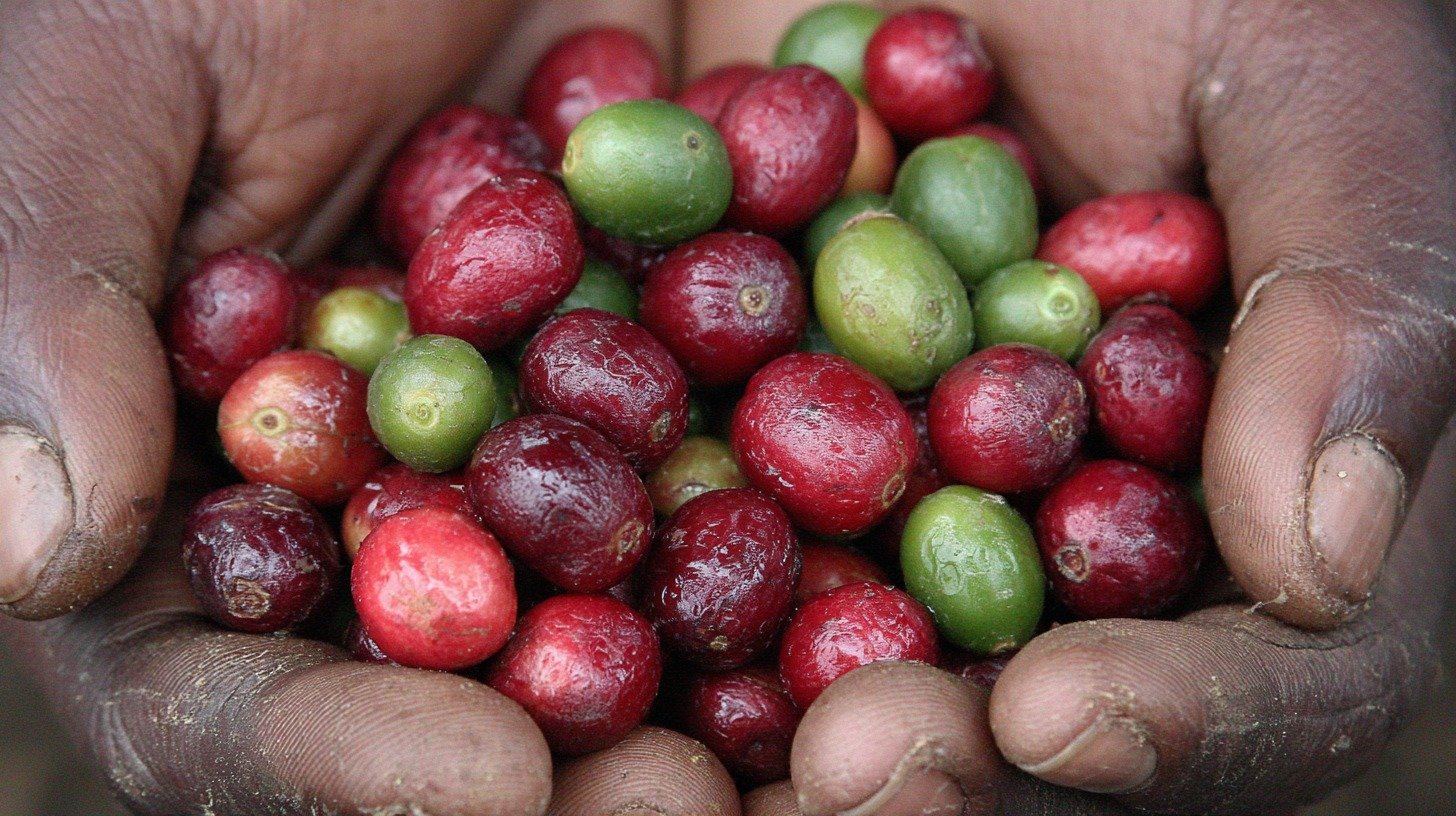
Uganda and Brazil are two countries known for their rich coffee cultures, each offering unique flavors and characteristics that appeal to coffee enthusiasts worldwide. When it comes to comparing Uganda Robusta and Brazilian coffee, the differences are as intriguing as they are distinct. Both countries have carved out a niche in the global coffee market, and understanding these differences can enhance your appreciation of what each has to offer.
Uganda is renowned for its robusta coffee, which is grown in the lush, tropical regions of the country. This variety is known for its strong, bold flavor and higher caffeine content. On the other hand, Brazil is famous for its arabica coffee, which often features a smoother, milder taste with notes of chocolate and nuts. The diverse climates and terrains of these countries contribute significantly to the unique profiles of their coffees. If you want to explore the varieties we supply, you can view our coffee selection.
In this article, we will explore the key differences between Uganda Robusta and Brazilian coffee. We’ll look at how these coffees are cultivated, their flavor profiles, and what makes them stand out in the coffee world. Whether you’re a seasoned coffee aficionado or just starting to explore different varieties, understanding these differences can help you make more informed choices about your coffee preferences.
Uganda Robusta vs Brazil Coffee
When comparing Uganda Robusta with Brazilian coffee, several factors come into play, including taste, aroma, and growing conditions. Uganda’s robusta coffee is primarily grown in the low-altitude regions, which contribute to its strong, full-bodied flavor. This coffee is often described as having earthy and woody notes, with a hint of bitterness that many coffee lovers find appealing.
In contrast, Brazilian coffee, predominantly arabica, is cultivated in higher altitudes. This results in a smoother, more balanced flavor profile, often with sweet and nutty undertones. Brazil’s coffee-growing regions benefit from a stable climate, which contributes to the consistency and quality of its beans.
Another key difference lies in the processing methods. Ugandan robusta beans are typically processed using the dry method, which involves sun-drying the beans. This method enhances their bold flavors and adds to the bean’s robustness. Brazilian coffee, on the other hand, often undergoes a wet processing method, which helps develop its smooth and mild characteristics.
The caffeine content also varies between these two types of coffee. Robusta beans generally have a higher caffeine content than arabica beans. This makes Ugandan robusta a preferred choice for those seeking a strong caffeine kick. Brazilian arabica, with its lower caffeine content, is ideal for those who enjoy a more relaxed coffee experience.
Robusta Comparison
When it comes to robusta coffee, Uganda stands out as one of the leading producers. The robusta bean is known for its resilience and ability to thrive in lower altitudes. This adaptability makes it a staple in Uganda’s coffee industry. The robusta variety is often used in espresso blends due to its rich crema and intense flavor.
Robusta coffee from Uganda is characterized by its bold and earthy taste. It has a thicker consistency and a more pronounced bitterness compared to arabica. This makes it an excellent choice for those who prefer a robust and full-bodied coffee experience. The higher caffeine content in robusta also means it has a more intense flavor, which can be both invigorating and satisfying.
In comparison, robusta coffee from other regions, such as Vietnam, shares some similarities with Ugandan robusta but differs in flavor nuances due to varying growing conditions. Ugandan robusta is often praised for its unique flavor profile, which includes hints of chocolate and nuts, adding depth to its boldness.
For coffee enthusiasts interested in experimenting with blends, robusta can be an exciting addition. Mixing robusta with arabica can create a balanced cup that combines the strength of robusta with the smoothness of arabica. Understanding the characteristics of robusta can help you tailor your coffee to suit your taste preferences. Buyers looking for sourcing support can also explore our coffee sourcing and supply services.
Coffee Origin Comparison
The origins of coffee play a crucial role in determining its flavor, aroma, and overall quality. Uganda and Brazil, with their distinct climates and terrains, offer unique coffee experiences. Uganda, located in East Africa, benefits from its tropical climate, which is ideal for growing robusta. The country’s rich soil and ample rainfall contribute to the robusta bean’s vibrant flavors.
Brazil, as the largest coffee producer globally, has a diverse range of coffee-growing regions. The country’s vast landscape allows for the cultivation of various arabica varieties. Brazilian coffee is often associated with a smooth, mild flavor, thanks to its consistent climate and advanced farming techniques.
The cultural significance of coffee in these countries also adds to their unique coffee identities. In Uganda, coffee is not just a beverage but a part of social and cultural traditions. Coffee ceremonies are common, where the preparation and sharing of coffee are integral to social gatherings.
In Brazil, coffee culture is deeply embedded in daily life. The country has a rich history of coffee production, with generations of farmers perfecting the art of cultivation. This dedication to quality is evident in the consistent and high-quality coffee that Brazil produces.
Understanding the origins of coffee from Uganda and Brazil can enhance your appreciation for the beverage. Each cup tells a story of its journey from the farm to your mug, influenced by the land, climate, and people who cultivate it. You can learn more about our sourcing background on our story and approach.
Coffee Quality Comparison
Quality is a key factor when choosing coffee, and both Ugandan and Brazilian coffees have their distinct qualities. Ugandan robusta is often celebrated for its strong and bold flavor, which makes it a favorite for espresso blends. The quality of robusta can vary, but when sourced from reputable farms, it offers a rich and satisfying coffee experience.
Brazilian coffee is renowned for its consistent quality and smooth flavor. The country’s advanced farming techniques and favorable climate conditions contribute to the high quality of its arabica beans. Brazilian coffee is often used in blends for its mild and balanced flavor, making it a versatile choice for various coffee drinks.
When comparing the quality of these coffees, it’s essential to consider personal preferences. Some coffee drinkers may prefer the boldness of Ugandan robusta, while others might lean towards the smoothness of Brazilian arabica. Exploring different qualities can help you discover the perfect coffee for your taste.
Both Uganda and Brazil are committed to sustainable coffee farming practices, ensuring that quality is maintained while protecting the environment. This commitment to sustainability is reflected in the quality of their coffee, making them excellent choices for environmentally conscious consumers.
Conclusion
Understanding the differences between Uganda Robusta and Brazilian coffee can enrich your coffee-drinking experience. Each offers unique flavors and characteristics that cater to different preferences. Whether you enjoy the boldness of robusta or the smoothness of arabica, exploring these coffees can lead to new and exciting discoveries.
The journey from bean to cup is influenced by many factors, including origin, processing methods, and quality. By appreciating these differences, you can make informed choices and enjoy a richer coffee experience. Whether you’re a coffee connoisseur or a casual drinker, there’s always something new to learn and explore in the world of coffee. If you’re interested in sourcing coffee for your business, you can request a quote here.